Home Window Tinting: Benefits & Guide
Learn home window tinting benefits, types of films, costs, and how to pick a professional installer.
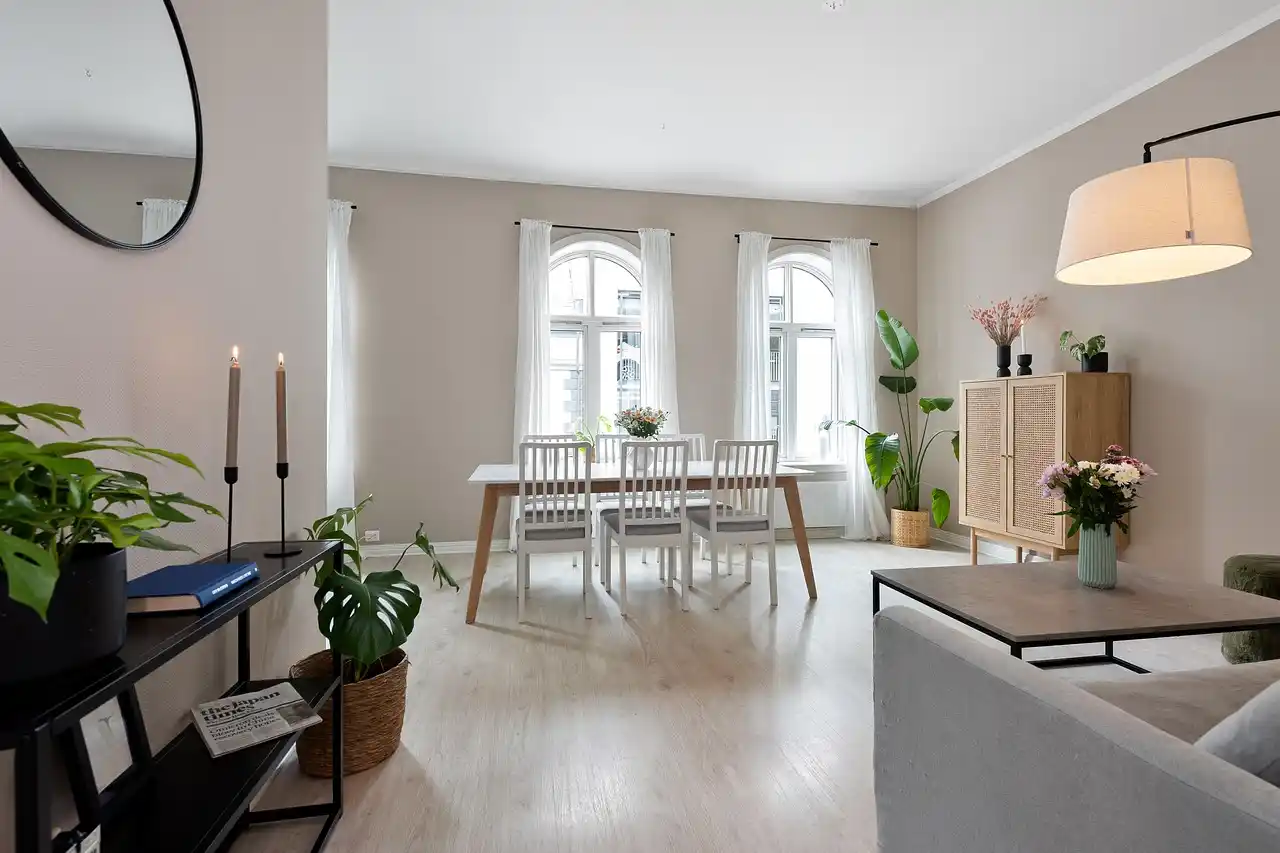
Home window tinting has evolved from a cosmetic choice to a practical upgrade that improves comfort, energy efficiency, and protection for every room.
What is home window tinting?
Home window tinting refers to applying a thin film to interior or exterior glass surfaces to reduce heat, glare, and UV exposure while preserving visibility. The film is bonded to the glass with adhesives and can be installed on most residential windows, including double and triple pane units. Modern films are designed to last for years with minimal maintenance, and many come with warranties.
Benefits of home window tinting
- Energy efficiency and comfort: reduces heat gain in summer and heat loss in winter, lowering cooling and heating costs.
- UV protection: blocks up to 99 percent of harmful ultraviolet rays, protecting furniture, flooring, and artwork from fading.
- Glare reduction and privacy: minimizes glare and increases daytime privacy without sacrificing daylight.
- Protection and safety: some films offer enhanced shatter resistance and act as a deterrent against break-ins by making glass harder to vandalize.
Types of window film for homes
Different films offer different performance. Below is a quick comparison to guide your selection.
| Type | Pros | Cons | Best For | Typical Installed Cost |
|---|---|---|---|---|
| Dyed | Low cost, good glare reduction | Fades over time, weaker heat rejection | Budget upgrades | $3-$6 |
| Metalized | Excellent heat rejection, strong performance | Can interfere with electronics; reflective look | Sunny rooms, large panes | $4-$8 |
| Ceramic | High heat rejection, no metallic interference, UV protection | Higher upfront cost | Energy savings and comfort | $8-$15 |
| Carbon | Good heat rejection, non reflective | Mid to high cost | Balanced performance | $6-$12 |
| Hybrid | Blend of dyed and ceramic traits | Variable durability depending on brand | Versatile mid range | $6-$10 |
Choosing a professional installer
For best results, work with a reputable installer who specializes in home window tinting and offers a warranty on both film and installation. Look for:
- Manufacturer certification or IWFA accreditation
- In‑home evaluation and written quote
- Film samples, test cuts, and a clear explanation of heat and UV performance
- Warranty coverage for adhesion, fading, and bubbling
- Evidence of insurance and licensed contractors
- Past project photos and customer reviews
Costs, maintenance, and longevity
Costs vary by film type, window size, and labor, but most residential installations fall within a broad range. Expect roughly $5 to $12 per square foot installed, with higher sums for ceramic or carbon films on large or multiple panes. Benefits can accrue over years through energy savings, improved comfort, and reduced sun damage to furnishings. Maintenance is simple: use a soft cloth and mild soap, avoid abrasive cleaners, and address any misalignment or bubbling promptly under warranty.
Durability and safety considerations
Quality window films offer long lasting performance, often with warranties of 10 to 15 years. Avoid cheap DIY films that can peel or discolor. If you rent your home, verify lease restrictions and obtain written permission from the landlord before installation. Professional installers will prepare panels to minimize edge gaps and ensure a uniform finish that stands up to daily use and cleaning cycles.
Conclusion, choosing the right home window tinting solution involves understanding the film types, setting a realistic budget, and selecting a qualified installer who can provide documentation, warranties, and examples of prior work. With the right approach, you can enjoy a cooler, safer, and more comfortable home environment while protecting your interior assets for years to come.