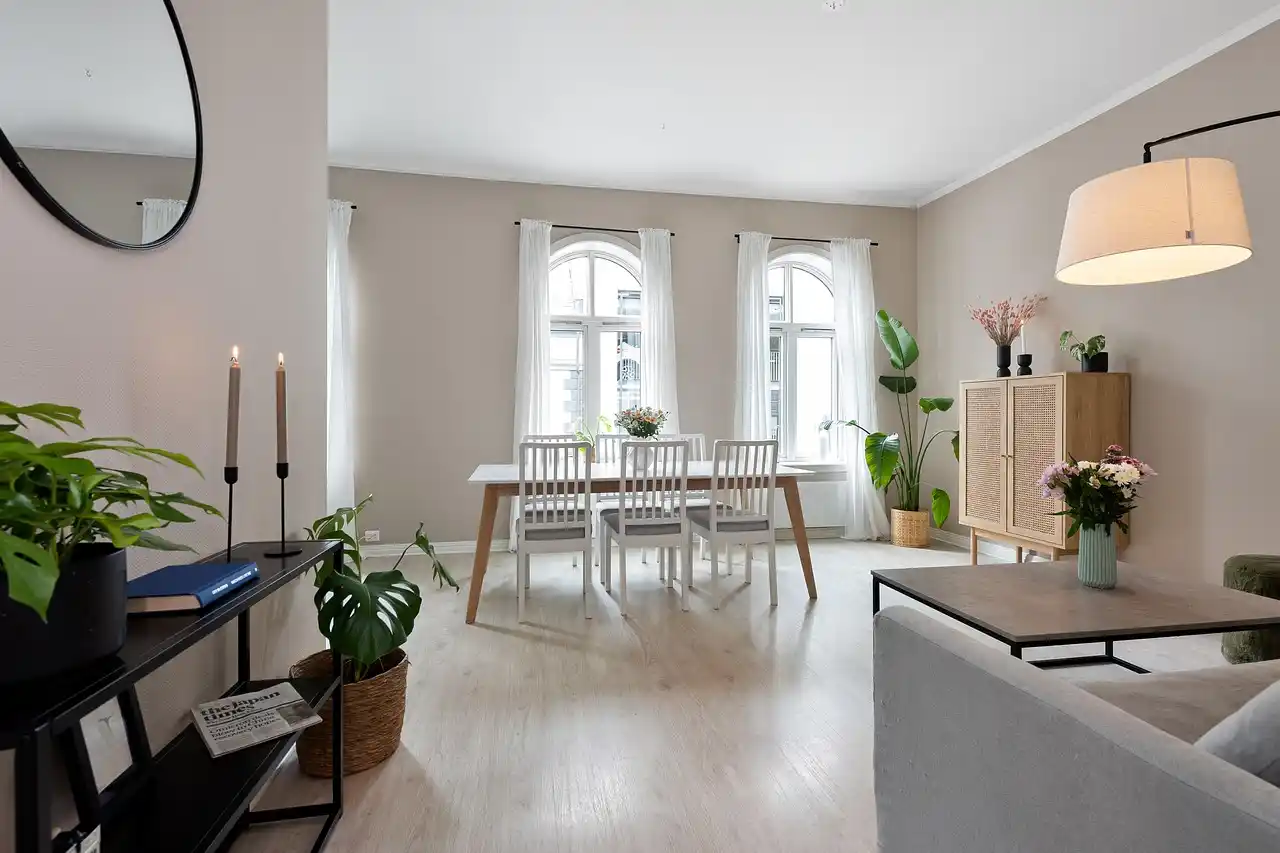
Home Window Tinting Near Me: Find Experts
Find trusted home window tinting near me services to boost energy efficiency, UV protection, and comfort.
Home Window Tinting Near Me: Find Experts
When homeowners search for home window tinting near me, they are often seeking three outcomes: lower energy bills, better comfort, and increased privacy. Local installers understand climate, building codes, and HOA rules that shape the options. This guide helps you evaluate your needs, compare films, and choose a trusted provider with real EEAT signals: licensed technicians, manufacturer warranties, and verifiable customer reviews.
Why Tint Your Home Windows?
Window tinting reduces heat gain by reflecting or absorbing solar energy. It also blocks UV rays, lowers glare, and enhances security by making glass less transparent from the outside. Modern tint films can preserve exterior views while improving insulation. For homes in sunny regions, tinting often yields noticeable energy savings and improved comfort year round.
Film Types and How They Compare
Different tint films suit different goals and budgets. Below is a quick comparison to help you discuss options with a local installer near you.
| Film Type | Pros | Cons | Typical Use |
|---|---|---|---|
| Dyed film | Affordable; reduces heat | May fade over time; lower durability | Budget rooms and interior glare control |
| Metalized film | Excellent heat reflection; strong glare reduction | Can interfere with sensors; slight reflectivity | South facing windows seeking high performance |
| Ceramic film | High clarity; durable; strong UV protection | Higher upfront cost | Living rooms and home offices |
| Low-E coated film | Energy focused; balances daylight | Variable price | Homes aiming for energy efficiency |
Choosing the Right Film for Your Home
Cost is important, but performance and warranty matter more. Look for films with a visible light transmission value that preserves natural light while meeting your privacy needs. Ask about warranty length, warranty transferability, and whether the installer uses certified tools and safe curing practices. Reputable installers affiliated with the International Window Film Association or manufacturer programs often indicate higher standards and informed guidance.
How to Find a Reliable "Near Me"
To ensure expertise and trust, search results should show licensed, insured pros with local references. Request a portfolio of completed residential projects, read several customer testimonials, and confirm the installer provides a written estimate, a clear scope of work, and a manufacturer backed warranty. If possible, visit a current job site or showroom to see tint quality and film options up close.
Questions to Ask Your Window Tint Installer
- What film types do you recommend for my climate and sun exposure?
- What is the warranty and who covers it?
- Will the film impact my home Wi Fi or smart sensors?
- What is the installation timeline and post installation care?
- Do you have photos or references from similar homes?
Costs, Savings, and ROI
Prices vary by film type, window size, number of panes, and labor. A typical residential tint project might range from several hundred to a few thousand dollars. While ceramic and high performance energy films cost more upfront, they often deliver better long term energy savings, reduced glare, and UV protection that preserves furnishings. A credible installer will provide a detailed estimate that includes material costs, surface preparation, and cure time. Do not base decisions on price alone; weigh performance, warranty, and reputation.
The Installation Process
The process usually begins with a free or low cost in home assessment. After film selection, the technician will clean the glass, apply the film, trim edges, and run a squeegee to remove air and moisture. Most residential tinting cures fully within 24 to 72 hours, during which one should avoid cleaning with abrasive products. A good installer will provide post installation instructions and a care guide to maintain clarity and prevent adhesive issues.
Maintenance, Safety, and Regulations
Maintenance is simple: use a non abrasive cleaner and a soft cloth to wipe the film surface. Safety considerations include selecting films with proper fire retardant properties and ensuring proper ventilation during installation. Be aware of local regulations, HOA guidelines, and building codes that may limit darkness levels or require permits for certain films. Your installer should help you understand these constraints and document compliance for you.
Conclusion
Conclusion, choosing the right home window tinting near me involves verifying licenses and warranties, comparing film types, and understanding local rules. With a trusted installer, you gain energy savings, UV protection, glare reduction, and lasting comfort for your home.